



Patient Services
| Code | Service Name | Receipt # | Bill # | Price | Quantity | Disc. % | Disc. Amount | Tax | Payable | Approved Fee | Patient Share | Insurance Share | Coverage | Service Status | Supervising Provider | Rendering Provider | Actions |
|---|
| Code | Service Name | Receipt # | Bill # | Price | Quantity | Disc. % | Disc. Amount | Tax | Paid | Approved Fee | Patient Share | Insurance Share | Coverage | Refund | Service Status | Supervising Provider | Rendering Provider | Actions |
|---|
You may also like…

Gonorrhea
Neisseria Gonorrhoeae, often called the gonococcus causes the second most common sexually transmitted infection (chlamydial being most common).
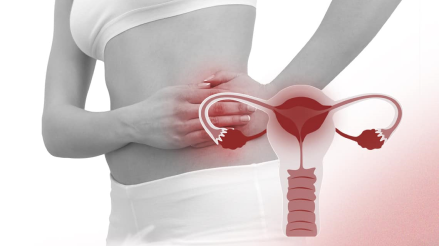
Gonococcal Disease in Women: can cause urethritis (inflammation of the urethra) with burning micturition and pus-type discharge from the urethra. It can also affect the cervix, which becomes reddened and inflamed, however a lot of women remain asymptomatic. If symptoms do happen, the woman may complain of lower abdominal discomfort, pain with sexual intercourse (dyspareunia), and a pus-type vaginal discharge.
A gonococcal infection of the cervix can progress to Pelvic Inflammatory disease.
Gonococcal Disease in Men: A man who has unprotected sex with an infected person can acquire a Neisseria infection. This can cause urethritis in men, too. Although some men remain asymptomatic, most complain of a painful urination along with a purulent discharge from the urethra. For men, possible complications include epididymitis, prostatitis, and urethral strictures.
Treatment: fortunately, this disease is easily curable by a small dose of ceftriaxone combined with one gram of single-dose azithromycin.
Powered by Froala Editor